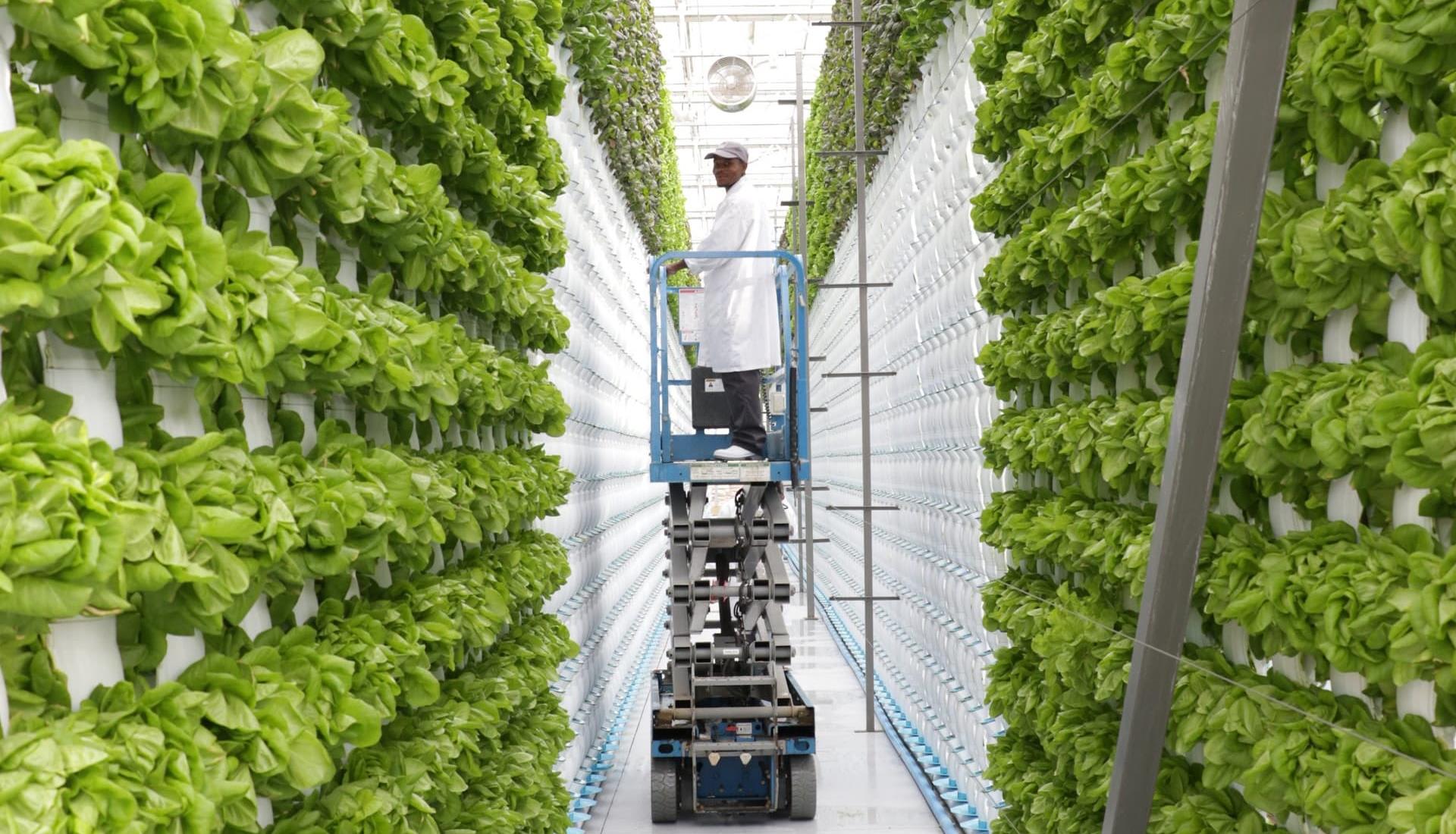
Hydroponics, the soil-less method of growing plants, has captured the attention of farmers, researchers, and sustainability enthusiasts worldwide. Its potential to revolutionize agriculture and address food security challenges is nothing short of remarkable. This blog delves into the world of hydroponic research studies, highlighting significant findings that have contributed to the growth and development of this innovative farming technique. For more information regarding hydroponic plant one can visit our site https://hydroponicglobal.com.au/.
1. “Effects of Different Substrates on Plant Growth in Hydroponic Systems”
– Published in: PLoS ONE, 2013.
– Authors: Li, L., Li, J., Wei, D., Li, X., & Ma, X.
This study explores the impact of various substrates, such as rock wool, coconut coir, perlite, and vermiculite, on plant growth in hydroponic systems. Researchers investigated factors like water retention, aeration, and nutrient retention to identify the most suitable substrate for different hydroponically grown crops. The findings offer valuable insights for growers seeking optimal substrate choices.
2. “Optimizing Nutrient Management in Closed Hydroponic Systems”
– Published in: Acta Horticulturae, 1995.
– Author: Ho, L.C.
Focusing on nutrient management, this research delves into strategies for optimizing nutrient use efficiency in closed hydroponic systems. It explores methods to reduce waste and ensure that plants receive the right nutrients at the right time. For hydroponic growers aiming to maximize resource utilization, this study is a valuable resource.
3. “Microbial Community Structure and Dynamics in the Rhizosphere of a Medicinal Plant in Response to Hydroponic Cultivation”
– Published in: PLoS ONE, 2018.
– Authors: Huang, X., Liu, Y., & Feng, H.
Investigating the microbial community dynamics in the rhizosphere of hydroponically cultivated medicinal plants, this study sheds light on how hydroponic systems impact root-associated microbial communities. Understanding these changes is crucial for assessing their potential effects on plant health and growth.
4. “Evaluation of Hydroponic and Aeroponic Systems for Green Bean, Lettuce, and Wheat Growth”
– Published in: International Journal of Agriculture and Biology, 2009.
– Authors: Hasan, H.A., & Al-Shamma’a, M.M.
This research evaluates the performance of hydroponic and aeroponic systems for growing green beans, lettuce, and wheat. It assesses factors like growth rate, yield, and water-use efficiency, providing insights into the suitability of these systems for various crops.
5. “A Review of Nutrient Management Studies in Hydroponic Systems”
– Published in: HortScience, 2002.
– Authors: Bugbee, B., & Koerner, G.
This comprehensive review covers nutrient management practices in hydroponic systems. It includes discussions on nutrient formulation, delivery methods, and optimization for different plant species. It serves as a valuable resource for growers aiming to fine-tune their nutrient management strategies.
6. “Assessing the Sustainability of Hydroponic Greenhouse Systems in Alberta, Canada”
– Published in: Sustainability, 2018.
– Authors: Beck, T., Belair, D., & Muslic, A.
This research assesses the sustainability of hydroponic greenhouse systems in Alberta, Canada. It examines environmental, economic, and social aspects of hydroponic production, offering insights into the potential benefits and challenges of scaling up hydroponic agriculture.
These hydroponic research studies provide a deeper understanding of various aspects of soil-less farming, from optimizing nutrient management to evaluating the sustainability of hydroponic systems. Researchers, farmers, and sustainability advocates can leverage these findings to advance hydroponics as a sustainable and efficient method of food production.
Leave a Reply