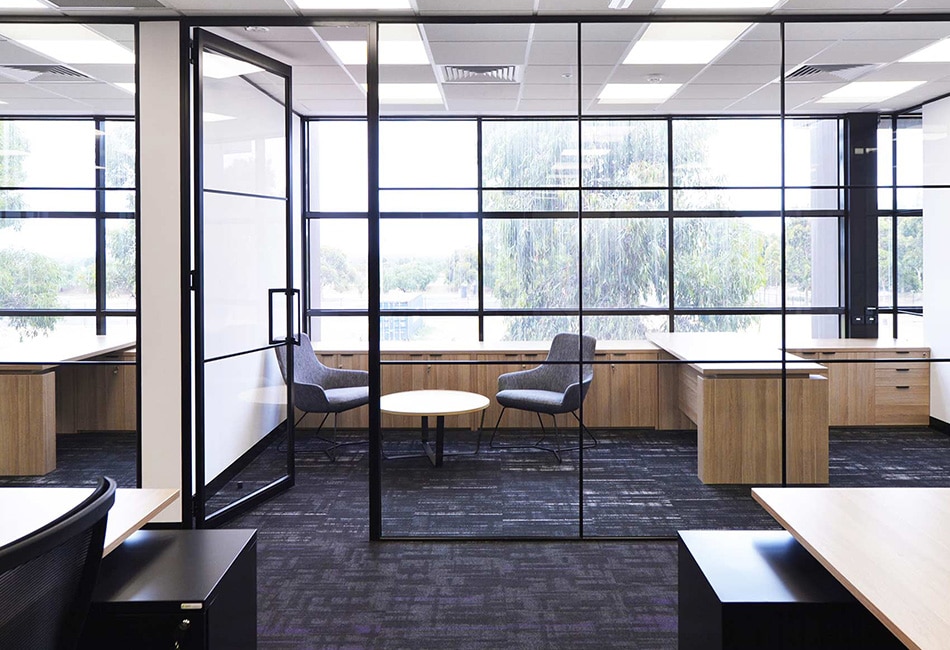
Introduction:
In the dynamic and competitive business landscape, first impressions matter, and the environment in which you conduct business plays a crucial role in shaping those impressions. Commercial fitouts have emerged as a key strategy for businesses to create a unique and functional workspace that aligns with their brand identity, fosters productivity, and leaves a lasting impression on clients and employees alike.
Understanding Commercial Fitouts:
Commercial fitouts encompass the design, layout, and furnishing of commercial spaces, ranging from offices and retail outlets to hospitality venues. It involves a thoughtful integration of design elements, furniture, technology, and branding to create a cohesive and purposeful environment. The goal is to optimize the use of space, enhance functionality, and reflect the ethos of the business.
Key Elements of Commercial Fitouts:
- Space Planning: Effective space planning is the cornerstone of successful commercial fitouts. It involves optimizing the layout to accommodate workstations, meeting rooms, collaboration zones, and other functional areas while ensuring a smooth flow of movement within the space.
- Interior Design: The aesthetic appeal of a commercial space plays a significant role in creating a positive and engaging atmosphere. Interior design elements such as color schemes, lighting, and materials contribute to the overall ambiance and brand identity.
- Furniture Selection: Choosing the right furniture is essential for both comfort and functionality. Ergonomic office chairs, modular workstations, and versatile storage solutions are integral components of well-planned commercial fitouts.
- Technology Integration: In the digital age, technology is a vital aspect of any business. Commercial fitouts should incorporate the latest technological advancements, including audio-visual systems, communication tools, and smart office solutions, to enhance efficiency and connectivity.
- Branding and Identity: The design of a commercial space should align with the brand identity of the business. Incorporating company colors, logos, and other branding elements reinforces a sense of identity and professionalism.
Benefits of Commercial Fitouts:
- Enhanced Productivity: A well-designed workspace can boost employee morale and productivity. Thoughtful layout and ergonomic furniture contribute to a comfortable and efficient working environment.
- Improved Client Impressions: The physical appearance of a commercial space can leave a lasting impression on clients and visitors. A professionally designed and organized space reflects positively on the business and can influence client perceptions.
- Adaptability: Commercial fitouts can be tailored to suit the evolving needs of a business. Whether expanding, downsizing, or rebranding, a flexible fitout allows for easy adaptation to changing requirements.
- Employee Well-being: A thoughtfully designed workspace takes into account factors such as natural light, ventilation, and communal spaces, contributing to the overall well-being and job satisfaction of employees.
Conclusion:
Investing in commercial fitouts is not just about creating aesthetically pleasing spaces; it’s a strategic decision that can impact the success and image of a business. By prioritizing functionality, employee well-being, and brand representation, businesses can leverage commercial fitouts as a powerful tool for creating environments that foster success in the modern business landscape.
Leave a Reply