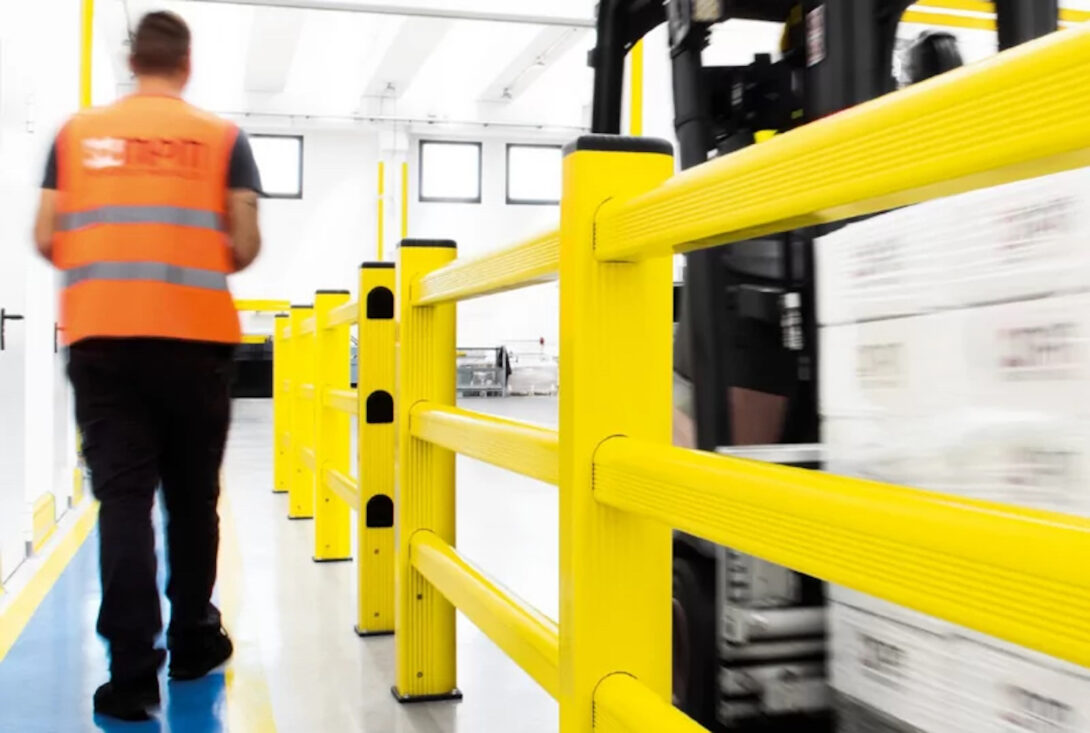
The use of forklifts in various industrial settings has proven to be extremely beneficial for the efficient movement and transportation of goods. However, these powerful machines can pose significant risks to pedestrians working in the same environment. Forklift-pedestrian accidents remain a major concern, leading to injuries, fatalities, and significant financial costs for organizations. As a result, forklift pedestrian detection systems have gained immense importance as a means to enhance safety and prevent these unfortunate incidents.
Forklift pedestrian detection systems are designed to detect the presence of pedestrians in close proximity to operating forklifts. These systems utilize advanced technologies such as sensors, cameras, or RFID tags to constantly monitor the surroundings of the forklift and provide real-time alerts to both the forklift operator and pedestrians. By providing a reliable mechanism to warn operators and pedestrians about potential collisions, these detection systems help create a safer work environment and reduce the risk of accidents. This article explores the different types of forklift pedestrian detection systems available in the market, their functionality, and the benefits they offer in terms of improved safety and accident prevention.
The different types of forklift pedestrian detection systems
There are several types of forklift pedestrian detection systems available in the market, each with its own unique features and functionalities. One popular type is the proximity sensor system. This system uses sensors placed on the forklift that emit electromagnetic or ultrasonic waves to detect the presence of pedestrians in close proximity. When a pedestrian is detected, the system triggers an alarm or activates a flashing light to alert both the forklift operator and the pedestrian.
Another type of detection system is the camera-based system. This system uses cameras installed on the front and rear of the forklift to capture live video footage of the surrounding area. The footage is then analyzed by software algorithms that can recognize human shapes and movements. If a pedestrian is detected within a certain distance, the system alerts the operator through visual or audio signals.
warehouse forklift safety can be greatly enhanced with the use of RFID-based detection systems. These systems involve placing RFID tags on pedestrians working in the vicinity of forklifts. The forklift is equipped with an RFID reader that continuously scans the area for the presence of these tags. If a tag is detected, an alarm is triggered to warn both the operator and the pedestrian about their close proximity.
Each type of forklift pedestrian detection system has its own advantages and limitations, depending on factors such as environment, application, and budget. By implementing these systems, organizations can significantly reduce the risk of forklift-pedestrian accidents and create a safer workplace.
In conclusion, forklift pedestrian detection systems play a crucial role in enhancing safety and preventing accidents in industrial settings. These systems utilize advanced technologies such as proximity sensors, cameras, or RFID tags to monitor the surroundings of a forklift and provide real-time alerts to both the operator and pedestrians. Different types of detection systems, including proximity sensor systems, camera-based systems, and RFID-based systems, offer unique features and functionalities to detect the presence of pedestrians and avoid potential collisions. By implementing these systems, organizations can significantly reduce the risk of forklift-pedestrian accidents and create a safer workplace. Ensuring the safety of pedestrians working in close proximity to operating forklifts is essential for protecting lives, preventing injuries, and minimizing financial costs associated with accidents.
Leave a Reply